
Organising a professional event can sometimes seem daunting, especially if you are not used to doing so. But as you will see, it is actually an exciting challenge that will enable you to boost your company’s image. Follow these 10 steps and organise a seminar that everyone will remember!
1. Identify the target audience for your event
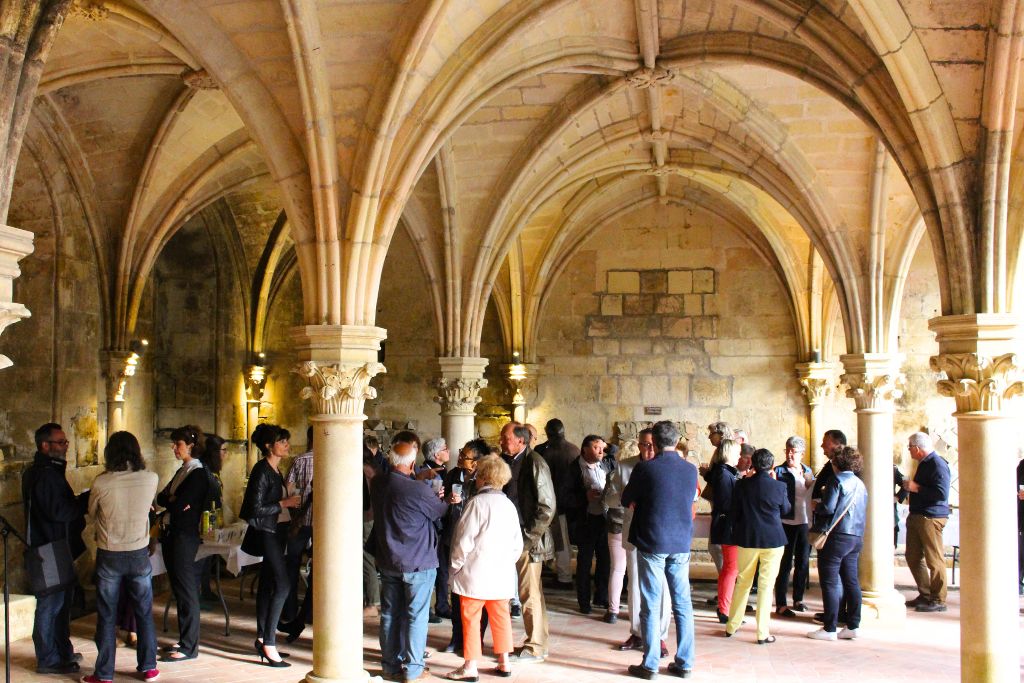
There are many possible events. An internal seminar with all your colleagues, a gathering involving only one or a few departments of the company, a product launch for prospective customers, or even your company’s anniversary bringing together your employees, partners and customers. The first thing you will need to think about is this: who is this event for? Once you have identified your target audience, it will be easier to set the objectives and programme for your seminar.
2. Define the objective of your seminar
The second question you need to ask yourself is what is the purpose of this event? What are its objectives or theme? From an internal perspective, there are several reasons for organising a seminar:
- Build team spirit and boost motivation
- Include newcomers to your company in a more informal manner
- Congratulate and thank a particular department or all of your employees for their work this year.
Professional events can also have commercial objectives:
- Launch a new product or service
- Promoting a product range
- Generate more sales
In both cases, your professional event will have a positive impact on your brand image!
To learn more about the different objectives of a seminar, read our article ‘The objectives of team building’.
3. Imagine your dream event

Once you have defined your target audience and objectives, you can start to imagine your ideal programme. Here are a few questions to help you establish it:
- Would you like to organise a half-day, an evening, a full day or even a holiday?
- What kind of venue do you envisage for this event?
- Do you need to add some fun to your seminar? If so, what type of service are you interested in? A team-building activity, a DJ, a tasting session, a show?
- If you are dining in, which menu would you like to choose?
Through these various points, you will also be able to understand and control the image you wish to convey through your event.
4. Set the budget for your seminar
Oh dear, it’s time to set some limits on your ‘dream programme’ by discussing the budget. Of course, you had imagined an all-inclusive holiday in the sun with your 100 employees, but this project costs close to a million euros and unfortunately this year, it will be impossible for you to release such a large sum. Don’t panic, there’s something for every budget when it comes to corporate outings! So don’t get hung up on this, you don’t have to go all out to make your seminar a success. Even an activity with colleagues costing £15 per person will be appreciated by your employees, as it will give them the chance to get together in an informal setting that’s a change from the daily grind at the office. When setting your overall budget, take into account all items of expenditure (venue, catering, activities, logistics, transport, accommodation, etc.) and try to draw up a provisional budget that corresponds to what you can allocate to your event.
A little tip: focus on the services you don’t want to compromise on. This will help you sort through the rest of your programme as you develop it.
5. Select the date of the event
Let’s move on to the practical side and a key step. When would you like to hold your event? For a seminar or internal team-building event organised during working hours, you are pretty much free to choose the date that suits you best. However, be sure to check your employees’ holiday periods so that you don’t exclude them from this event, which we are confident will be a success! Obviously, try as much as possible to organise your seminar outside of the company’s busy periods, so as not to disrupt your business and so that participants are better able to fully immerse themselves in the programme you have put together for them.
For an external event aimed at strengthening your image among your partners, customers or prospects, it is important to choose a time that suits the majority of participants so that your event has an impact.
Be careful not to be too firm about the date and, above all, do not communicate it before you have booked your venue. Instead, consider two, three or four possible dates to ensure that your chosen venue is available. That is the next step!
6. Choose the ideal location
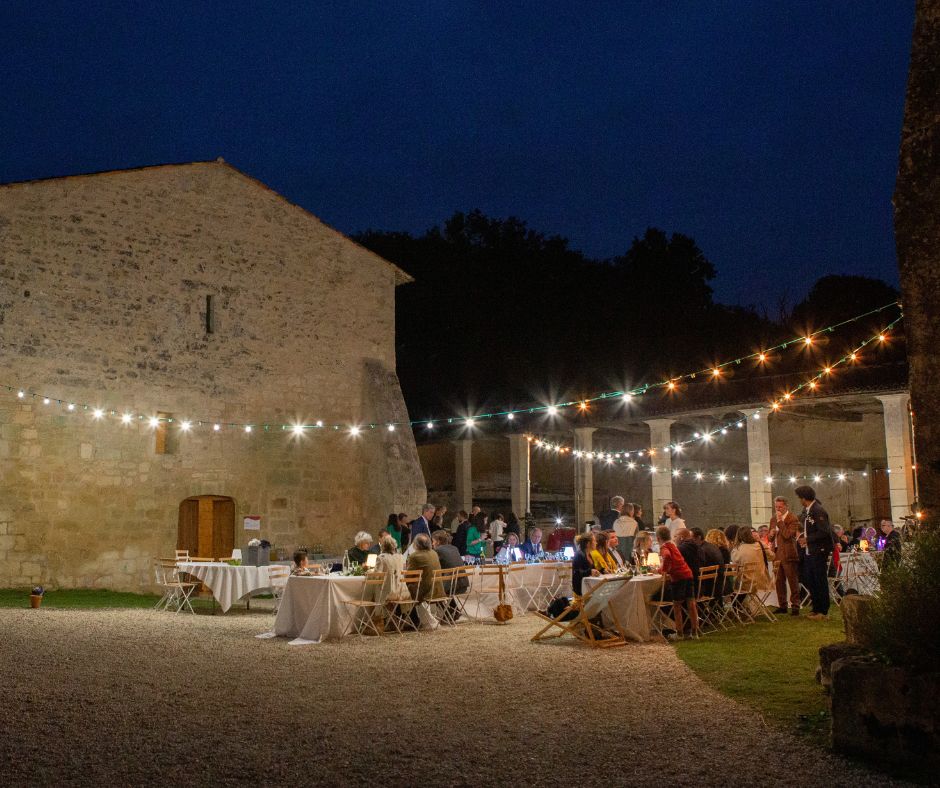
Once again, there are countless possibilities. There’s no point typing ‘nice event venue’ into Google without specifying a location. You’ll end up with thousands of results and waste a lot of time. Start by targeting the relevant county or counties and choose one or more strategic towns or cities to narrow down your search. That’s it, you’re ready to start dreaming! Be careful not to be seduced by beautiful images, but stay grounded by following these different points. You will choose a venue:
- Corresponding to the size of your group
- Offering the services you have imagined (suitable meeting rooms, beautiful dining areas, team-building activities, easy parking, etc.)
- Corresponding to the image you wish to convey during your event
That’s it, you’ve identified three or four interesting venues. Now you can contact them to discuss availability and budget!
7. Create a detailed programme with your venue
Magic, your number one choice is available! You have an overview of the services, and best of all, it seems to fit your budget! Now is the time to go into detail with your contact person. Feel free to share all your expectations, your objectives, your company’s image and history, the programme you had in mind, etc. They will probably suggest solutions you hadn’t thought of.
Once the initial areas of focus have been defined, you will be able to go into detail.
– Set the desired arrival and departure times and the hour-by-hour schedule for your event.
– Do not forget to schedule breaks (very important for informal exchanges during seminars).
– Select the most suitable spaces or activities that seem to best match your objectives.
– Plan equipment requirements (chairs, tables, projectors, etc.)
– Choose service providers together, particularly for catering if you wish to use a caterer, for example.
8. Promote the event and send out invitations
Everything is booked, you are proud of your organisation, now it’s time to send out the invitations! There are several possible scenarios:
- The location and programme are kept secret. Many of the companies we host at Fontdouce make this choice for their internal seminars. It creates a special buzz, with employees talking about it during coffee breaks and everyone making their own predictions. In this case, we still recommend that you give your participants some details (recommended dress code, start and end times for the event, etc.). If there is anything they need to think about, it is essential that you let them know. If you are organising transport, keep the location and programme secret until the last minute. If they need to meet you there, give them the information a few days in advance so that they have time to make arrangements.
- The location and programme are clearly communicated to participants. This is what we recommend whenever the event is aimed at people outside the company! Everything must be clearly explained to avoid confusion or misunderstanding.
In both cases, you can have fun promoting the event. Offer your guests appealing content via a friendly email, a short video, a photo montage, or even a paper invitation! You need to make your guests want to come.
Importantly, your venue and service providers will ask you to provide the exact number of participants before the big day. You must therefore be able to give them an increasingly accurate estimate as time goes by. Do not hesitate to ask guests to register or give you an answer before a specific deadline.
9. Follow up before the event
The options have been decided, the guests have been notified, all that remains is for you to confirm the bookings with the service providers. Do not hesitate to review the details with your venue so that everything goes as you hoped. Your contact person will be your ally during the event, so they need to be aware of everything, even details that you think are minor. Don’t forget to send reminders to participants. It’s your project, so it’s always on your mind, but your guests may have forgotten about it, so be sure to stay on top of this!
10. Manage the post-seminar period
Your event went off without a hitch. Your employees are delighted and more motivated than ever, you have forged strong ties with your partners and arranged meetings with some very interesting prospects! Well done, you are a master event organiser. But wait, it’s not over yet, now you need to think about the post-event follow-up. Follow these few points to make your seminar perfect:
- Thank all participants for attending.
- Collect feedback from guests to obtain qualitative feedback on your operation.
- Communicate about your event. Remember to take some photos or videos on the day so that you have content to share with your guests, but also externally to enhance your image. If you have organised a seminar for your employees, why not display photos of the event in the break room, for example?
- Provide comprehensive feedback to the host location and service providers
There you have it—you now know all the steps to organising a successful seminar! No need to thank us—it’s our job! You can now embark on this exciting project with confidence and offer a unique and memorable seminar to all your guests!