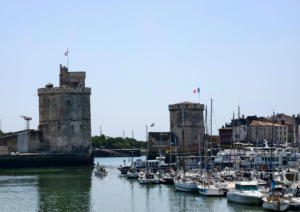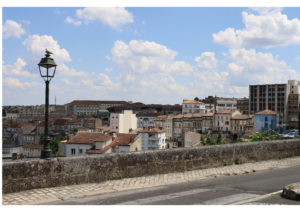
Rural areas have long been perceived as quiet, sometimes isolated places where economic activity is mainly based on agriculture. Today, they are experiencing a revival thanks to outdoor leisure activities. Hiking, adventure parks, water sports, cycling routes and horse riding are attracting an ever-growing audience and helping to revitalise rural areas, stimulate the local economy and strengthen social life.
Outdoor leisure activities: an asset for attracting visitors
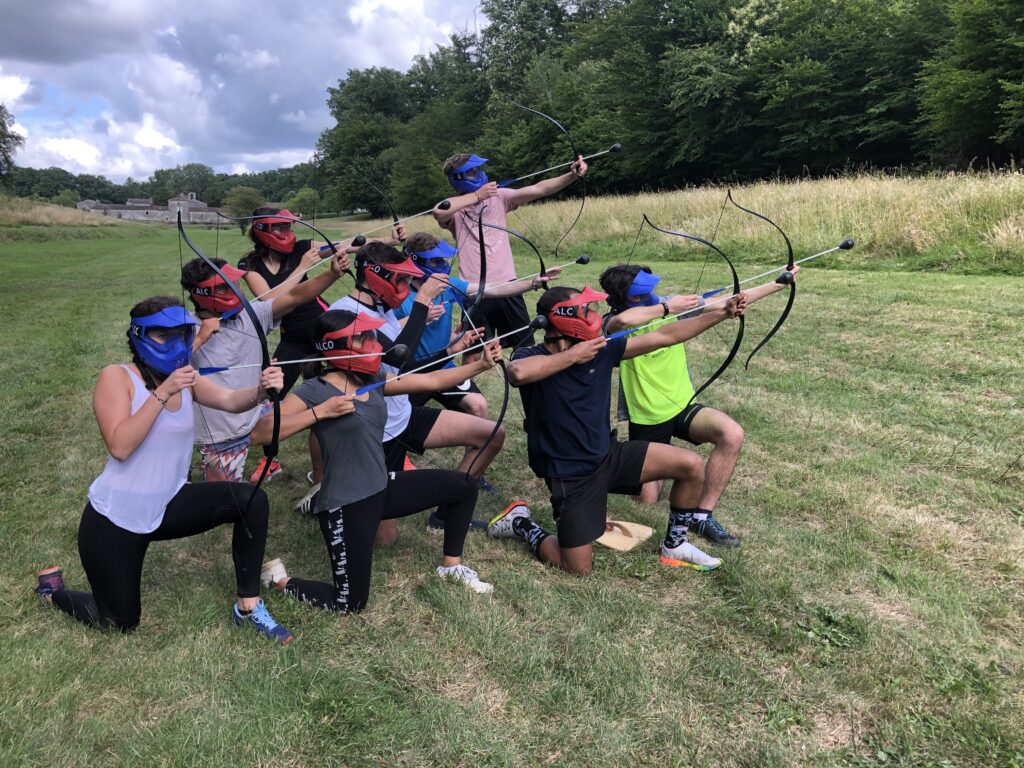
Rural areas are experiencing renewed interest thanks to the development of outdoor leisure activities, which are attracting an increasingly wide audience. Tree-top adventure courses, via ferrata, hiking trails and mountain bike circuits offer immersive experiences in the heart of nature, allowing visitors to reconnect with the environment and enjoy a variety of physical activities. These activities are particularly popular with families looking for fun and safe outings, but they also attract school groups, sports clubs and individual tourists in search of adventure.
The presence of these leisure activities often leads to visitors extending their stay, taking the opportunity to explore the surrounding area, sample the local cuisine and discover local produce. This increase in visitor numbers directly benefits local shops, restaurants, accommodation providers and artisans, creating a positive and sustainable economic dynamic. Villages and small towns thus see their appeal enhanced: not only do they become popular tourist destinations, but they also showcase their historical, cultural and natural heritage, while offering visitors an authentic experience.
The economic impact of outdoor recreation

These activities play a major role in stimulating the local economy in rural areas. They generate both direct jobs, such as activity leaders, guides and instructors, and indirect jobs, by supporting local businesses, restaurants, accommodation providers and artisans. The influx of visitors thus promotes an increase in local consumption and boosts the entire economy of the region. By diversifying the tourist offer and promoting natural and cultural resources, outdoor tourism helps to create a truly circular economy that benefits the entire community, offering villages and small towns economic development that complements that of agriculture and traditional industry.
Promoting natural and cultural heritage
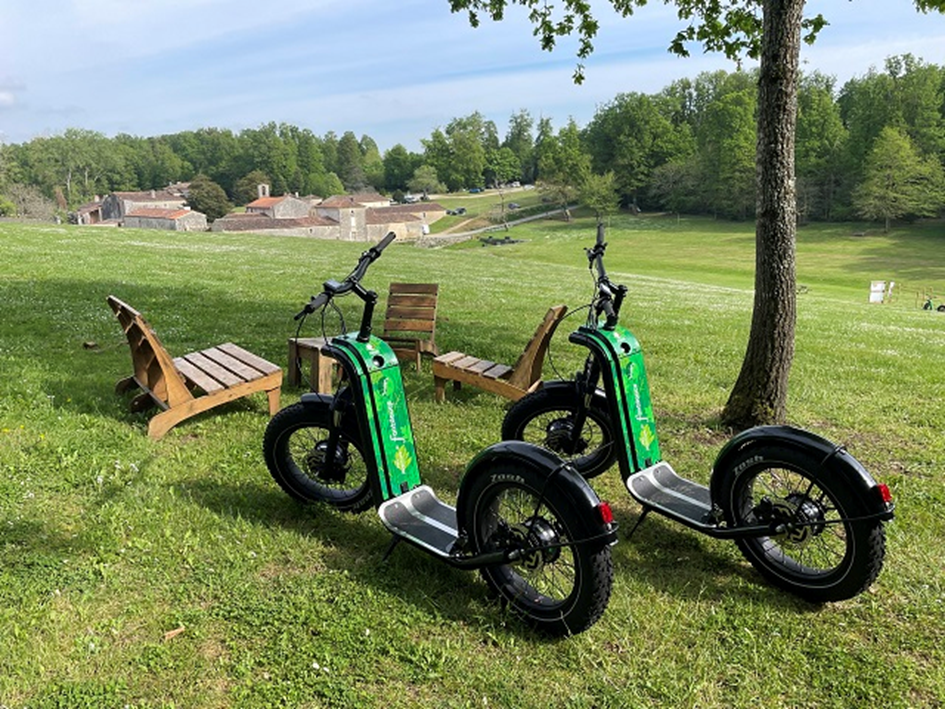
Outdoor leisure activities showcase the natural and cultural heritage of rural areas. Hiking trails and mountain bike/electric scooter circuits offer immersion in unspoilt landscapes and allow visitors to discover wetlands, forests and historic villages. These activities encourage observation of flora and fauna while raising visitors’ awareness of environmental protection. Nature tourism thus becomes an educational and cultural tool, combining discovery and learning.
Stimulating social life and local cohesion
Beyond the economy and tourism, these activities strengthen social cohesion. Sporting events, group hikes and nature festivals create opportunities for residents and visitors to meet and share experiences. Local associations and communities play a key role in organising these activities, promoting citizen participation and community ties.
Promoting sustainable and environmentally friendly tourism
Outdoor leisure activities are a driving force for responsible tourism. Facilities are adopting environmentally friendly practices, such as using locally sourced materials, implementing sustainable waste management and preserving sensitive areas. These initiatives make it possible to reconcile tourist appeal with nature conservation, while raising visitors’ awareness of biodiversity.
Diversifying rural tourism offerings
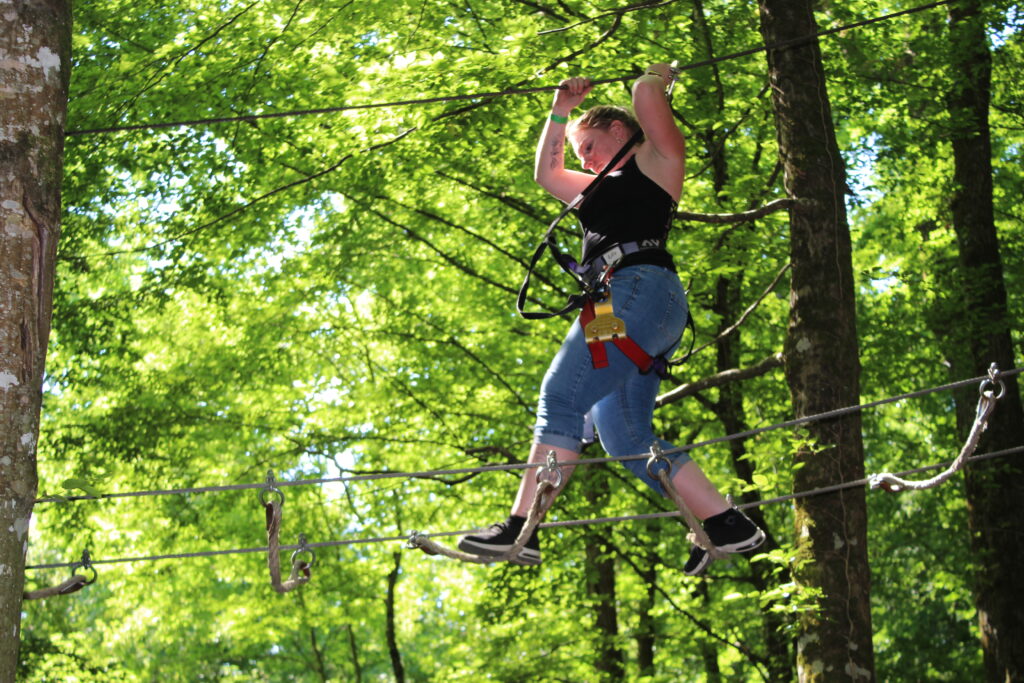
Rural areas have the opportunity to develop a wide range of leisure activities to suit a variety of audiences. Families can enjoy adventure parks and tree-top obstacle courses suitable for all ages, while sports enthusiasts and thrill seekers will find what they are looking for on hiking trails, mountain bike tracks or climbing circuits. Summer holidaymakers can enjoy water sports such as kayaking, paddleboarding and fishing, or explore the region on horseback, discovering the landscape in a whole new way. This diversity of activities offers rural areas the advantage of attracting a wider audience, extending the tourist season beyond the traditional periods and limiting dependence on a single clientele, while fully promoting the local natural and cultural riches.
Outdoor recreation, a driver of rural revitalisation
In some regions, the establishment of outdoor leisure activities contributes to the revitalisation of the area. It creates jobs, encourages new families or young professionals to settle there, and boosts local trade. Villages and rural areas, often perceived as quiet or isolated, thus become lively, attractive and vibrant places.
Raising awareness of the environment and local biodiversity
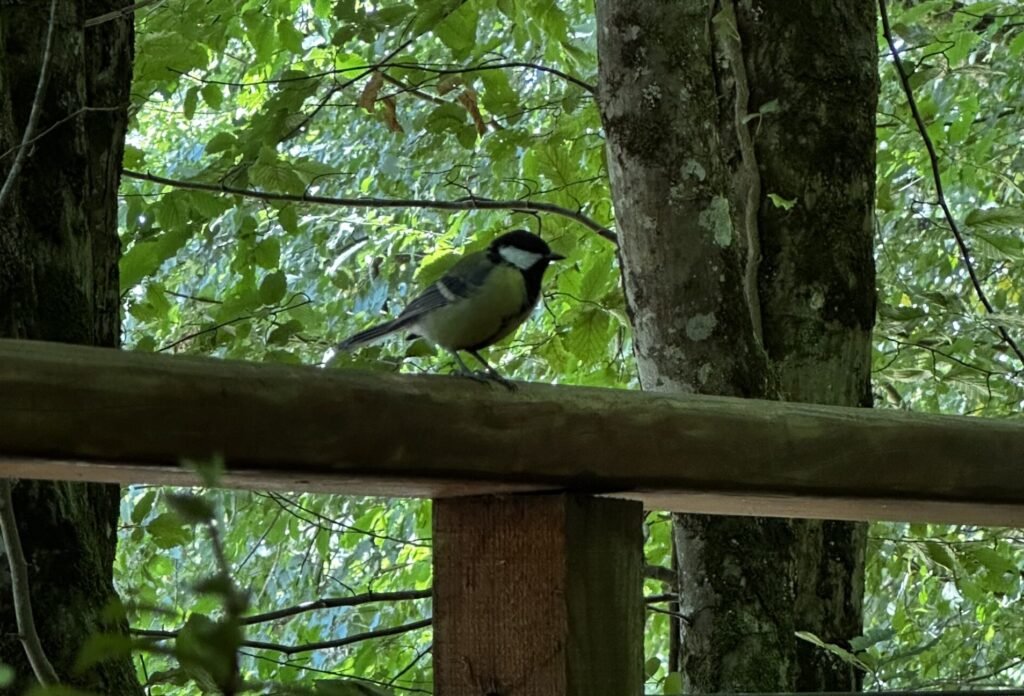
These activities also raise awareness of the environment. Children, teenagers and adults discover local flora and fauna, learn about natural cycles and understand the importance of preserving resources. Nature workshops, educational trails and guided outings combine learning and fun, while fostering a stronger connection with the local area.
Outdoor leisure activities play a major role in revitalising rural areas. They strengthen the local economy, promote natural and cultural heritage, stimulate social life and encourage sustainable tourism. By offering varied and accessible experiences, these activities transform rural areas into attractive destinations and enable residents and visitors to fully enjoy nature and local heritage.
By investing in these leisure activities, rural areas are no longer just surviving: they are thriving, offering unique experiences that combine well-being, discovery and economic dynamism!