
Conflicts in the workplace are inevitable. Personality differences within the same group, professional pressure due to an ever-increasing workload, misunderstandings or organisational problems – there are many factors that can cause tension between colleagues. If poorly managed, these conflicts can damage the working atmosphere, team motivation and, ultimately, productivity. Fortunately, there are effective solutions for preventing and resolving these tensions before the situation escalates. Here are some useful tips for managing conflicts within your company.
Understanding the origins of conflicts in the workplace
Before finding solutions, it is essential to identify the sources of conflict. If you are in charge of resolving the conflict, you will need to adopt a neutral position and try to understand each of your colleagues. Among the most common causes are:
- Personality differences: Some employees have contrasting communication styles, which can lead to misunderstandings.
- Stress and work pressure: Tight deadlines or ambitious targets can lead to tension between colleagues, general fatigue and excessive mental strain.
- A lack of communication: Misunderstandings and miscommunication are the primary causes of conflict. In this case, you will need to identify the information that has been misunderstood by each party and try to put measures in place to prevent this from happening again.
- Poor distribution of tasks: If an employee feels overwhelmed or believes that a colleague is not pulling their weight, tensions may arise.
- Divergent values or objectives: Different views of work among employees or departments can create latent conflicts. This phenomenon is often observed in companies with very diverse business lines.
Best practices for defusing conflict in the workplace
Now that you have identified the source of the conflict and taken each party’s opinion into account, it is time to defuse the conflict so that the situation does not escalate. Here are five useful tips:
- Resolve conflicts quickly: The sooner a problem is addressed, the easier it is to resolve. Easier said than done, of course, but you will need to take the issue seriously and act quickly to prevent the situation from escalating.
- Practise empathy: Putting yourself in the other person’s shoes allows you to better understand their point of view. You will need to listen to everyone’s demands in order to find a viable and lasting agreement.
- Encourage open communication: Promoting listening and dialogue often helps to clarify misunderstandings. If the conflict involves you, you will need to pluck up your courage and initiate an informed discussion without getting upset. If you are a third party, you will become the mediator who ensures that everyone can speak and listen to each other in a healthy environment.
- Involve a mediator: If the conflict persists and managers or HR have been unable to find a solution, mediators are available. These individuals are trained to encourage open discussion and allow everyone to communicate freely about their feelings.
- Define clear working rules: The final step, once the conflicts and confusion seem to have subsided, is to do everything possible to ensure that a situation like this does not happen again. A well-structured organisation will then be essential.
Remove the conflict from its unhealthy environment by organising a team outing
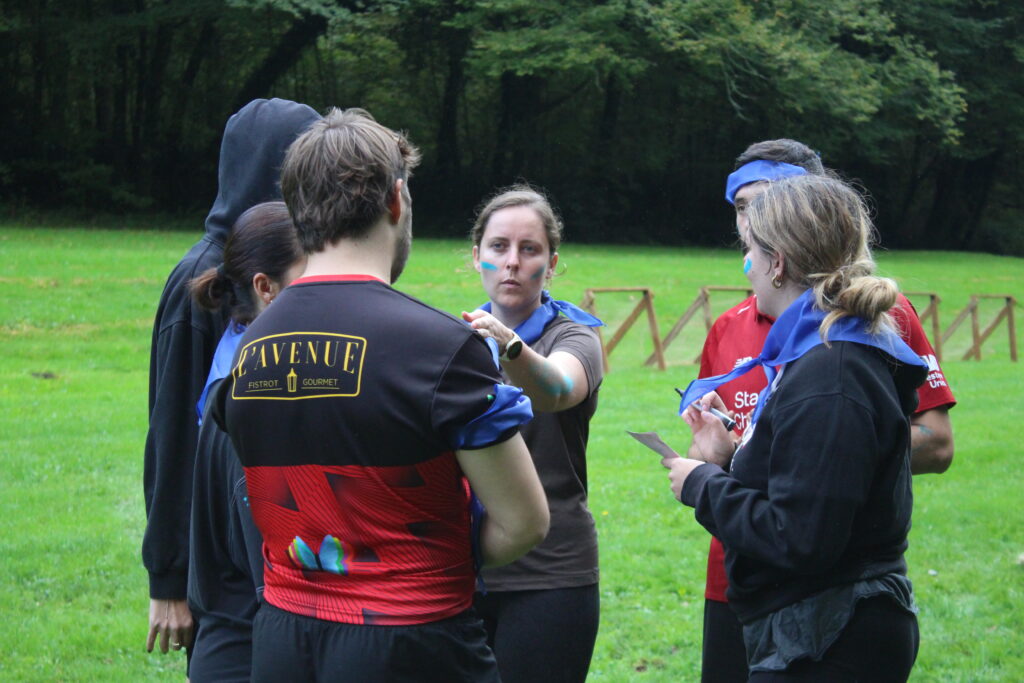
When tensions build up in the office, it can be beneficial to step outside the usual environment to take a step back and allow everyone to relax. By removing teams from the work environment, conflicts lose their intensity and communication becomes more fluid. Organising an outdoor outing in a peaceful natural setting allows employees to refocus on what is important, far from the stress of everyday life. A more informal and relaxed setting will quickly defuse any conflict.
When organising your outing, don’t hesitate to call on a neutral facilitator who will set up workshops, games or even discussion sessions that will allow everyone to feel free to talk. Once the conflict has been resolved, you will need to put measures in place to boost team cohesion and, above all, ensure that everyone feels they are in a working environment that promotes well-being.
Team building: a powerful tool for strengthening cohesion
An excellent way to prevent conflicts is to promote team cohesion. Team-building outings allow employees to get to know each other better outside of the workplace and strengthen mutual trust. Team-building activities offer many advantages:

- Improve internal communication: By sharing a common experience, employees learn to interact better with each other and also to understand how their colleagues communicate.
- Developing trust and mutual support: Collaborative games strengthen team spirit and solidarity. By overcoming unusual challenges, each employee will learn to rely on their team while having fun.
- Reduce stress: A fun activity helps relieve pressure and provides a moment of relaxation. To enhance this stress-relieving effect, don’t hesitate to opt for simple activities in the great outdoors!
- Encourage better collaboration: Teams that learn to work together outside the office are often more effective.
Examples of special icebreaker activities for team building
Now all you have to do is organise an activity that meets your criteria and, above all, addresses the conflicts you want to defuse or prevent. Here are some ideas for effective activities to improve cohesion and reduce tensions:
Recreational and sporting activities
- Corporate Olympics: Mini team games to boost cooperation among your teams. All your employees will be united for the same goal! In addition to the good vibes that come with this type of event, your teams will emerge from this experience more united than ever.
- Tree climbing: Ideal for building confidence and team spirit. No one is ever completely comfortable 15 metres above the ground. You will need to show empathy towards your colleagues to help them overcome obstacles.
- Escape Game: Encourages communication and problem solving as a team. Everyone will have to contribute to enable their team to escape. In order to solve the puzzles, your employees will need to listen carefully and communicate calmly. A truly fun exercise!

Creative workshops and activities
- Team cooking workshop: Learning to cook together is a great way to strengthen bonds. You will need to communicate and collaborate to create a quality dish!
- Art workshop (painting, sculpture, music): Discover hidden talents and encourage creativity. This relaxing workshop will allow everyone to unwind and discuss the works on display!
- Theatre workshop: This workshop is undoubtedly one of the best ways to break the ice, but it is also a fun way to work on spontaneity and responsiveness as a team.

Create a corporate culture that minimises conflict
In addition to team-building outings, it is essential to establish a corporate culture that promotes respect and mutual support within the company. To do this, follow these tips:
- Encourage compassionate leadership: Train your managers in active listening and genuine empathy. These are the people who will be on the front line when managing tensions.
- Valuing everyone’s skills: Recognition of work reduces frustration. Why not set aside a few minutes each morning to celebrate everyone’s successes? This allows different departments to appreciate the work done by other trades, thereby increasing understanding and empathy! To learn more about this topic, feel free to read our article: ‘Recognition and gratification in the workplace’.
- Organise informal get-togethers: In addition to small morning meetings focused on work tasks, don’t hesitate to organise times when work is not the priority. Celebrate birthdays, holidays, etc. Organise your break areas so that they are welcoming and your employees want to enjoy them!
- Train teams in conflict management: There is no point in implementing all these tools if you do not spend some time training your teams in managing tensions. This applies to your managers, but not only them!
Conflicts within a company are very serious sources of tension that must be addressed quickly. Once you have identified the conflicts, you now have everything you need to resolve them while improving your internal organisation and avoiding any form of long-term tension!