In a world increasingly marked by accelerating work rhythms, the need to reconnect with nature and escape urban settings is becoming a necessity. ‘Green seminars’, which involve organising meetings, workshops or professional events in natural environments, are experiencing spectacular growth. Why is this concept so popular? What does it offer businesses? Let’s take a closer look at this trend that is redefining the rules of collaborative working.
A seminar in the countryside: disconnect and improve productivity
Green seminars offer a welcome break from the hustle and bustle of offices and big cities. According to a recent study, employees exposed to natural environments experience a significant reduction in stress levels, which improves their concentration and creativity.
‘When you leave traditional workspaces, you stimulate new group dynamics and encourage the exchange of ideas,’ explains Sophie Lambert, team management coach. By choosing venues such as country estates, farms, castles or abbeys surrounded by greenery, companies promote a return to basics and create an environment conducive to cohesion.
Original activities to strengthen teams during a seminar
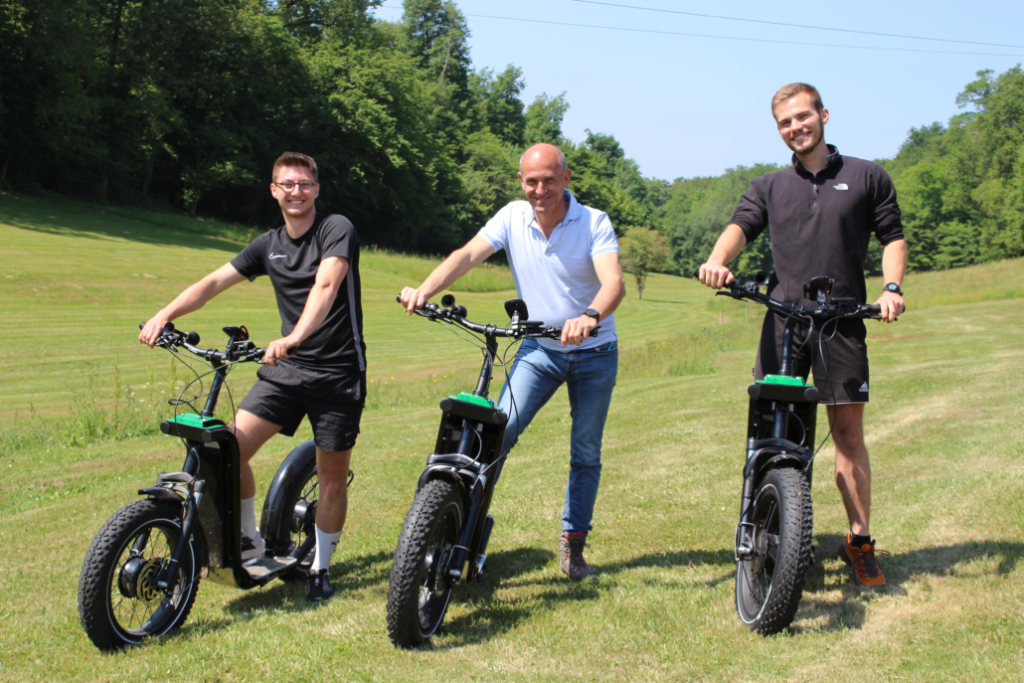
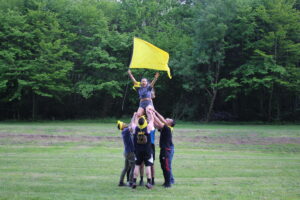
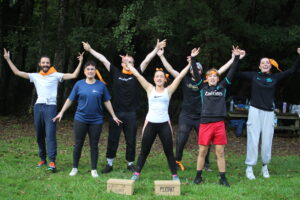
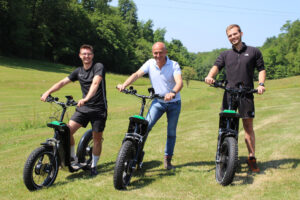
Far from impersonal conference rooms, these seminars offer the opportunity to provide a variety of immersive activities. Hiking, outdoor team-building activities, cooking classes using local produce, meditation sessions… The possibilities are endless. These shared experiences create lasting memories and strengthen bonds between colleagues, while boosting their sense of belonging to the company.
More physical activities, such as outdoor sports, can also be included. Canoeing, rock climbing, or tree-top adventure courses encourage participants to step outside their comfort zones and promote mutual support. In addition, creative workshops in the great outdoors—whether painting, sculpting, or writing—encourage personal and collective expression while taking advantage of an inspiring setting.
An eco-friendly approach that appeals
In addition to improving employee well-being, these seminars respond to a growing desire among companies to adopt an eco-responsible approach. By choosing venues close to nature and often committed to sustainable practices (zero waste, renewable energy, etc.), they strengthen their brand image while raising their teams’ awareness of environmental issues.
Many service providers now offer turnkey solutions for organising these green events, incorporating short supply chains for catering and public transport to limit their carbon footprint. This approach also helps to educate participants about environmentally friendly practices, encouraging them to adopt more responsible behaviours in their professional and personal lives.
The trend towards green seminars is here to stay
The success of green seminars lies at the intersection of several modern aspirations: the need to slow down, reconnect with nature, strengthen human bonds and give more meaning to professional activities.
With employees seeking well-being and recognition, companies have every interest in investing in these initiatives. One thing is certain: working in the shade of trees or by a lake has a bright future ahead of it, and this trend is not about to fade away.
Green seminars are not just a trend, but respond to fundamental issues of mental health, productivity and sustainability. They illustrate how companies can adapt to societal expectations while promoting employee engagement. Going beyond the simple professional framework, they embody a new way of thinking about work and well-being on a daily basis.