Trees play a fundamental role in the planet’s ecological balance. Beyond their majestic appearance or decorative function, they act as true pillars of ecosystems. They contribute significantly to regulating the climate, preserving rich and varied biodiversity, stabilizing soils, and also improving our quality of life as human beings. At a time when global warming is intensifying and natural environments are suffering widespread damage, it is essential to better understand the real impact of trees and the ecological services they provide us daily.
This article offers an exploration into the depths of their multiple environmental functions, in order to highlight the vital importance of trees for the future of our planet.
Trees and forests, the green lungs of the planet
One of the best-known functions of trees is their ability to absorb carbon dioxide (CO₂) and produce oxygen (O₂) through the process of photosynthesis. This phenomenon allows trees to convert solar energy into chemical energy and to act as true atmospheric regulators.
By storing CO₂ in their trunks, branches, leaves, and roots, trees help limit the amount of greenhouse gases in the atmosphere. They can store up to 20 tonnes of CO₂ during their lifetime. Tropical forests, in particular, are responsible for a significant portion of this absorption, as are boreal forests, which store large quantities of carbon in their soil.
An essential contribution to biodiversity

Trees are also habitats in their own right. Each tree shelters, nourishes and protects a multitude of different species: birds, insects, mammals, fungi, lichens, and even other plants.
- Primary forests are among the richest ecosystems in the world.
- Urban forests, even small ones, create refuges for local wildlife.
- Isolated trees, in fields or cities, also play an important ecological role because they serve as relays for birds and pollinators.
By protecting trees, we also protect thousands of species that depend on them. When trees disappear, entire food chains collapse.
Trees, natural regulators of the local climate
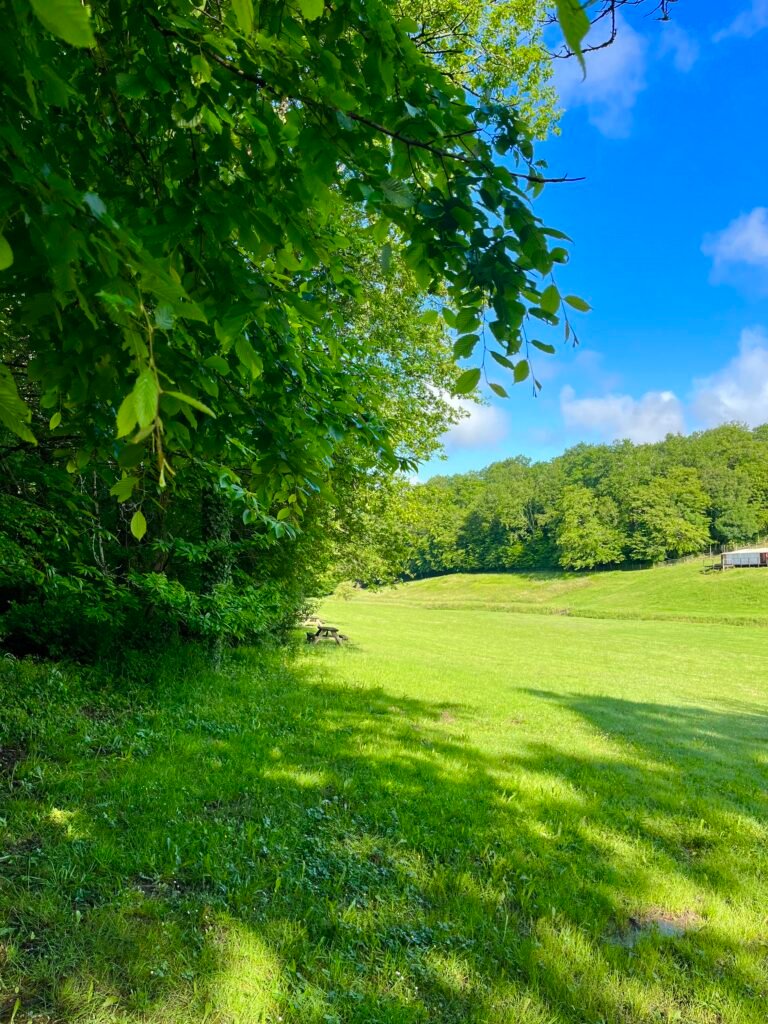
Trees also have the ability to regulate ambient temperature. Their foliage acts as a kind of natural parasol:
- They provide shade, reducing the heat from the ground.
- They cool the air through evapotranspiration: by releasing water through their leaves, they humidify and cool the atmosphere.
- They mitigate the heat zone effect, which is particularly strong in cities.
In urban areas, planting trees can reduce summer temperatures by several degrees, while improving the comfort of all residents.
Trees, great protectors of the soil
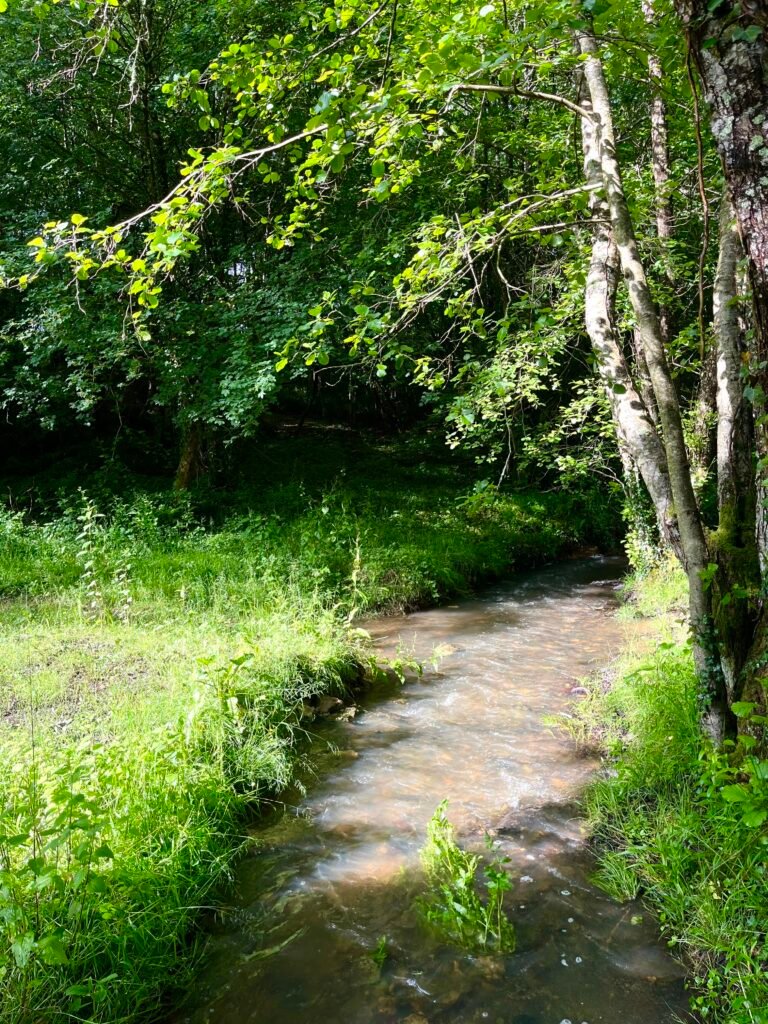
Trees stabilize the soil thanks to their numerous roots, which hold the earth in place and prevent landslides and erosion. This function is particularly important in mountainous areas or those prone to heavy rainfall.
The trees:
- limit erosion caused by rain and/or wind,
- preserve soil fertility by promoting soil enrichment,
- allow water to infiltrate the soil, contributing to the replenishment of groundwater.
In agricultural areas, integrating trees into crops improves soil quality, protects crops, and increases productivity. It is important to note that a forest contains more living organisms than there are human beings on Earth.
The tree, water manager, shield against floods
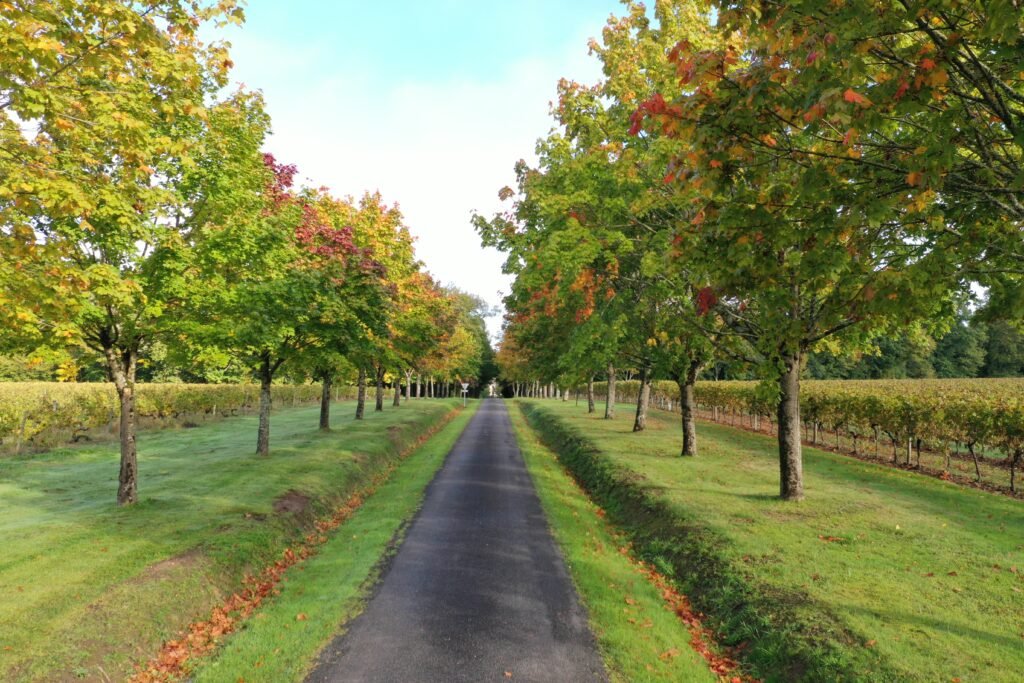
Trees play an important role in the water cycle. They capture rainwater, filter it, and gradually release it into the soil and air.
Thanks to their roots and the vegetation cover they form:
- They slow down runoff, reducing the risk of flooding.
- They filter out pollutants and improve water quality.
- They promote air humidity and cloud formation.
Forests act like giant sponges, essential to hydrological balance.
The tree as a precious resource for humans
Beyond their ecological role, trees are essential to human development. They provide vital material and intangible resources:
- Fruits and other food resources,
- Medicines derived from bark, resins, leaves or roots,
- Fibres for the manufacture of textiles or paper.
Trees also have significant cultural value: they often appear in the traditions, religions, and symbols of societies.
Trees and human well-being
Numerous studies demonstrate the positive effects of trees and green spaces on the physical and mental health of humans.
- They reduce stress and promote relaxation.
- They improve concentration and memory.
- They encourage physical activity and social interaction.
- They purify the air by trapping fine particles and certain pollutants.
In cities, the presence of trees improves the quality of life, reduces noise, and beautifies public spaces.
Threats and the need to protect trees
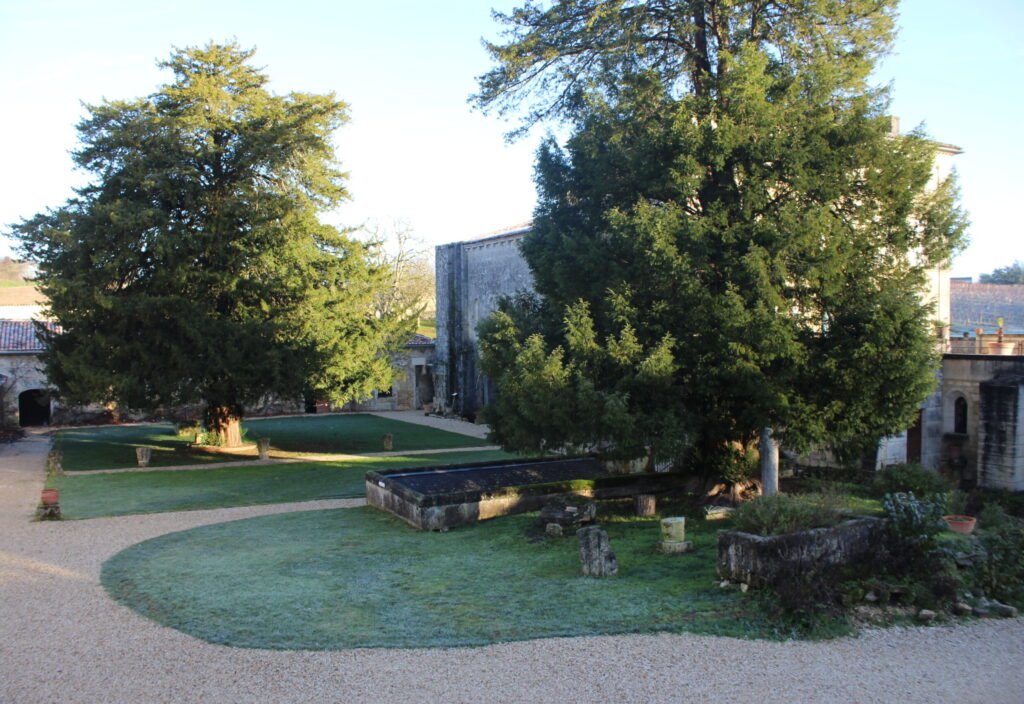
Despite their importance, trees and forests are seriously threatened by:
- intensive deforestation,
- urbanization,
- forest fires,
- diseases and pests,
- climate change.
Every year, millions of hectares disappear, jeopardizing the ecological balance. Replanting trees is a priority, but preserving existing forests is even more crucial, as they harbor the majority of biodiversity and store the most carbon. Indeed, according to statistics, a tree produces only one successor, which will take its place when the time comes.
Trees are not merely natural decorative elements: they are one of the essential pillars of life on Earth. They shape our landscapes, shelter and nourish countless species, regulate the climate through their ability to store carbon, protect soils from erosion, filter the air we breathe, and contribute to the purification of our water. Their presence directly influences the well-being of all living beings, including humans, by providing shade, coolness, spaces for relaxation, and an environment conducive to biodiversity.
In a context heavily impacted by climate change, deforestation, and the degradation of all ecosystems, the protection and restoration of forests appears more than ever as an absolute priority. Trees are an invaluable and irreplaceable resource: caring for them means preserving nature, but also guaranteeing a healthier and more resilient future for generations to come.