Nestled between valleys and wetlands, the Poitou-Charentes region boasts a rich biodiversity, but one that is now severely threatened. At the heart of this territory, sites like the Fontdouce valley bear witness to the beauty and fragility of these ecosystems. Observing our surroundings helps us better understand the urgent need to protect this precious, and sometimes overlooked, natural world.
An ancient natural terroir now under surveillance
Le Poitou-Charentes, now part of Nouvelle-Aquitaine, is one of the former French regions where natural environments are the most varied thanks to areas such as: the marshes of Poitou, the hedgerows of Charente, deciduous forests, dry meadows, limestone grasslands, shaded valleys… The diversity of habitats promotes the presence of a large number of species, sometimes very demanding, and particularly affected by the slightest ecological change.
Regional biodiversity assessments have been painting an alarming picture for several years: many animal and plant species are now threatened with extinction, and some have already disappeared locally. Observations made in sheltered valleys, such as the one surrounding Fontdouce, confirm this trend: fewer nesting birds, fewer insects, and plants that were once common have become rare.
Birds: a decline that continues to worsen
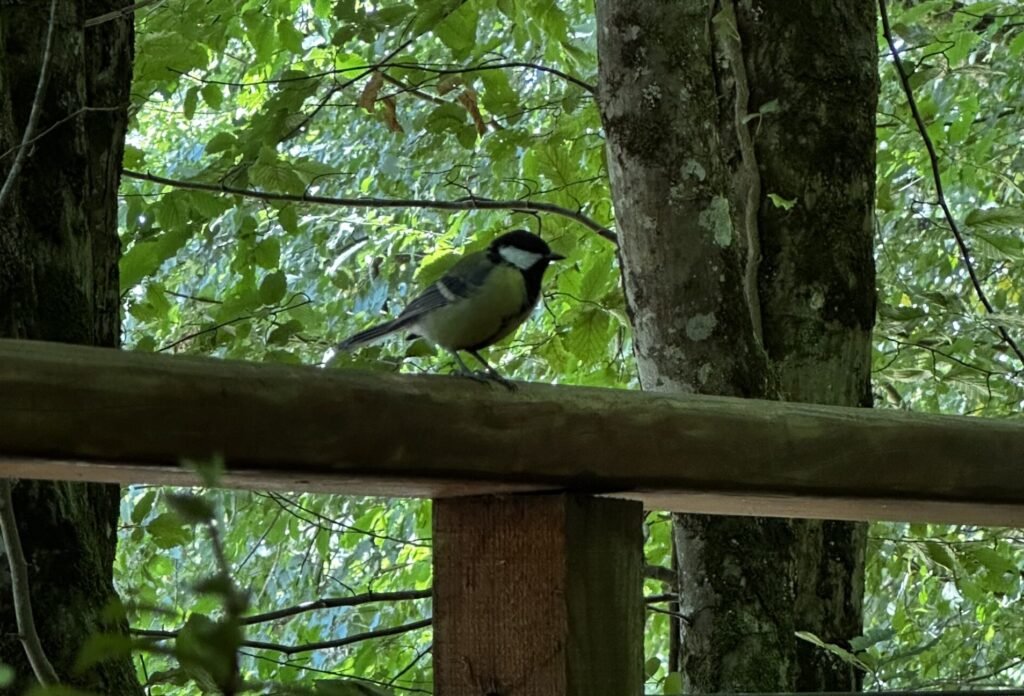
Birds are true indicators of the health of natural environments. And in Poitou-Charentes, the message is clear: nearly one in two nesting birds is now threatened.
Among the iconic species whose populations are declining sharply:
- The Common Snipe, a victim of the disappearance of wet meadows;
- the Lesser Short-toed Lark, which depends on traditional agricultural mosaics;
- The Peregrine Falcon, sensitive to disturbances and the scarcity of its prey;
- The Bluethroat with mirror, once frequently seen in wetlands.
Even familiar species of the rural landscape are experiencing worrying declines: Barn Swallow, Tree Sparrow, Stonechat, owls, and other owls. The Fontdouce valley, forming a natural link between meadows and wooded areas, is also observing this gradual decrease: some calls are becoming increasingly rare each year.
The causes are numerous: urbanization, habitat fragmentation, agricultural intensification, and the use of pesticides, which deplete insect resources. Many insectivorous birds suffer from a form of silent famine: food disappears before they even have time to reproduce.
Plants that are becoming rare
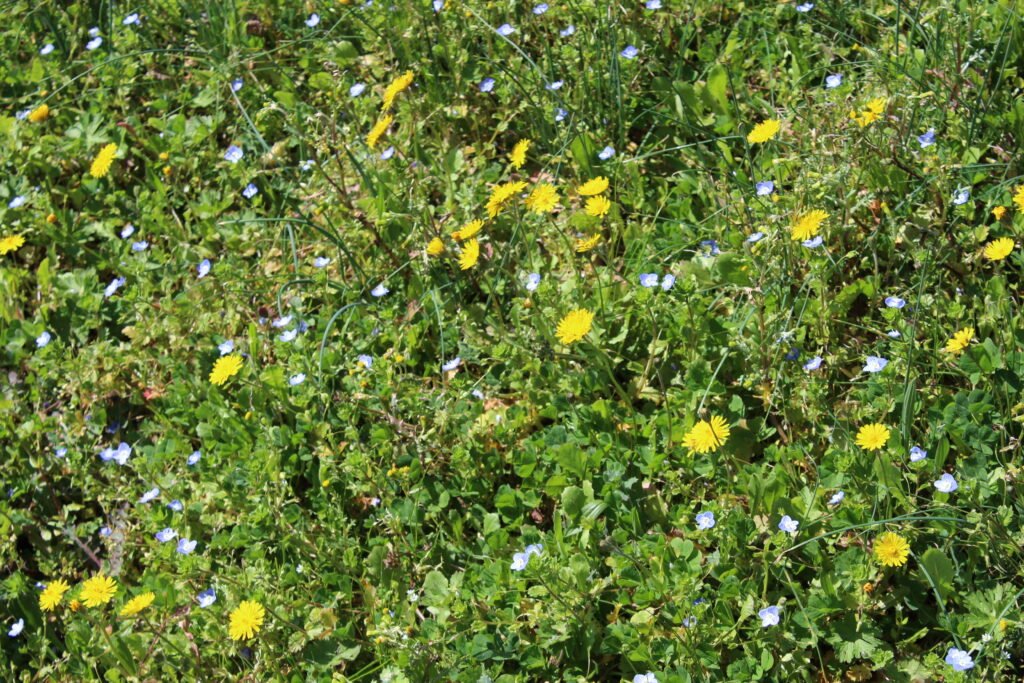
While the wildlife often attracts attention, the local flora is also suffering dramatic decline. Wild orchids, once abundant in the dozens on certain limestone hillsides, have become fragile. In the region, as in the Fontdouce valley, one can still find remarkable species such as:
- l’Ophrys abeille,
- l’Orchis incarnat,
- le Sérapia langue.
These fragile plants depend on extensive agricultural practices and thrive in soils preserved through methods such as late mowing. The disappearance of these traditional methods leads to the decline of many species that needed open, low-fertilization environments to survive.
Wetlands, which are also essential, are home to rare plants such as the Marsh Helleborine or certain species of aquatic plants of the Ranunculus genus. But these environments are disappearing faster than they are being restored.
Insects, reptiles and amphibians: groups in great distress
The decline in insect populations is sometimes less visible to the naked eye, but its consequences are immense. Butterflies, dragonflies, wild bees, and beetles play a fundamental role in pollination, soil fertility, and the feeding of many birds.
In the woods and meadows of Fontdouce, as in the whole of Poitou-Charentes, some species that were once common are now becoming increasingly rare:
- le Cuivré des marais,
- le Flambé,
- le Damier de la succise,
- or even damselflies and dragonflies that are very sensitive to water quality.
Amphibians—frogs, newts, salamanders—are also suffering. Their life cycle depends on temporary or permanent ponds, which are often filled in or polluted. In the wooded valleys and streams near Fontdouce, some species survive but become more localized, sometimes confined to just a few bodies of water.
Increasingly strong human pressures
Several factors explain this widespread decline:
1. Agricultural intensification
Monocultures, the disappearance of hedgerows, the drainage of wetlands and pesticides drastically reduce habitats and food resources.
2. Soil sealing
Commercial areas, housing developments, roads and parking lots fragment habitats and prevent species from moving freely.
3. Light pollution
It disturbs nocturnal insects, bats which are very present in the valleys of the area and even some migratory birds.
4. Climate change
Droughts, heat waves and mild winters disrupt the cycles: flowering too early, lack of water for amphibians, decrease in food for birds.
5. Les espèces invasives
Some invasive plants smother local flora, while insects like the Asian hornet weaken pollinators.
Fontdouce: an example of coexistence between leisure and awareness

In a natural setting like the one where The Fontdouce adventure park, is located, the challenge is particular: how to welcome visitors while respecting the local fauna and flora?
Several initiatives allow us to combine leisure, education and biodiversity:
- Preservation of old trees and woodlands, true habitats for birds and bats;
- Maintaining untrampled areas for sensitive plants;
- Sustainable management of spaces to limit disturbances during breeding periods;
- Fauchage tardif pour permettre la reproduction de certains insectes
The aim is to show that nature and adventure can coexist harmoniously, provided that local species are known and respected. The park then becomes a resource for raising awareness, particularly for families and young visitors.
Preserve, understand, transmit
Protecting biodiversity in Poitou Charentesn’est
isn’t just a matter for experts or naturalists: everyone can take action. Preserving a pond, avoiding mowing too early or too short, planting hedges, supporting conservation associations… Every little helps. In a region where nature is both a cultural heritage and a living legacy, it’s urgent to protect what can still be saved.
Preserving this diversity means preserving a landscape, a history… and the possibility for future generations to live in harmony with a vibrant and living environment.